

When I first started my SEO journey back in 2018, honestly, I had no idea what I was doing. Like most beginners back then, I thought SEO was just about building as many backlinks as possible from anywhere you could get them.
Those were simpler times. You could literally drop comments on blogs, spam forum profiles, create some random Web 2.0 properties, and somehow your site would rank. It actually worked. I still remember feeling like a genius when my first keyword hit page one using nothing but forum signatures.
But here’s the thing – 2026 is NOT 2018. Not even close.
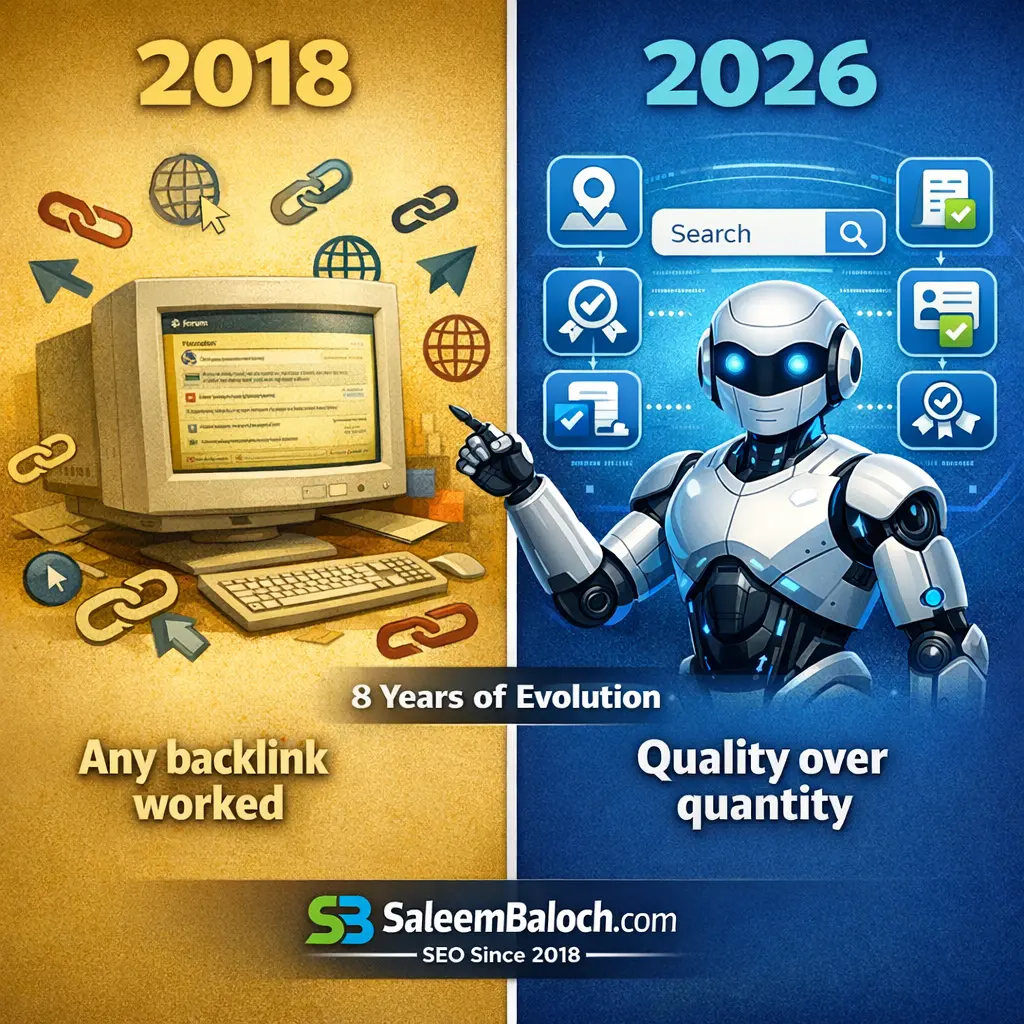
The game has completely changed, and most bloggers are still playing by old rules. They’re being penalized and de-ranked, and they’re wondering why their websites died overnight. Today, I want to share what I’ve personally tested, verified, and experienced over these 8 years in the trenches.
Why Most Backlinks Don’t Work Anymore in 2026
Let me be real with you for a second.
Have you ever noticed websites with thousands of backlinks suddenly disappear from search results? I have. I’ve seen it happen to friends and competitors, and, honestly, it almost happened to me in 2021.
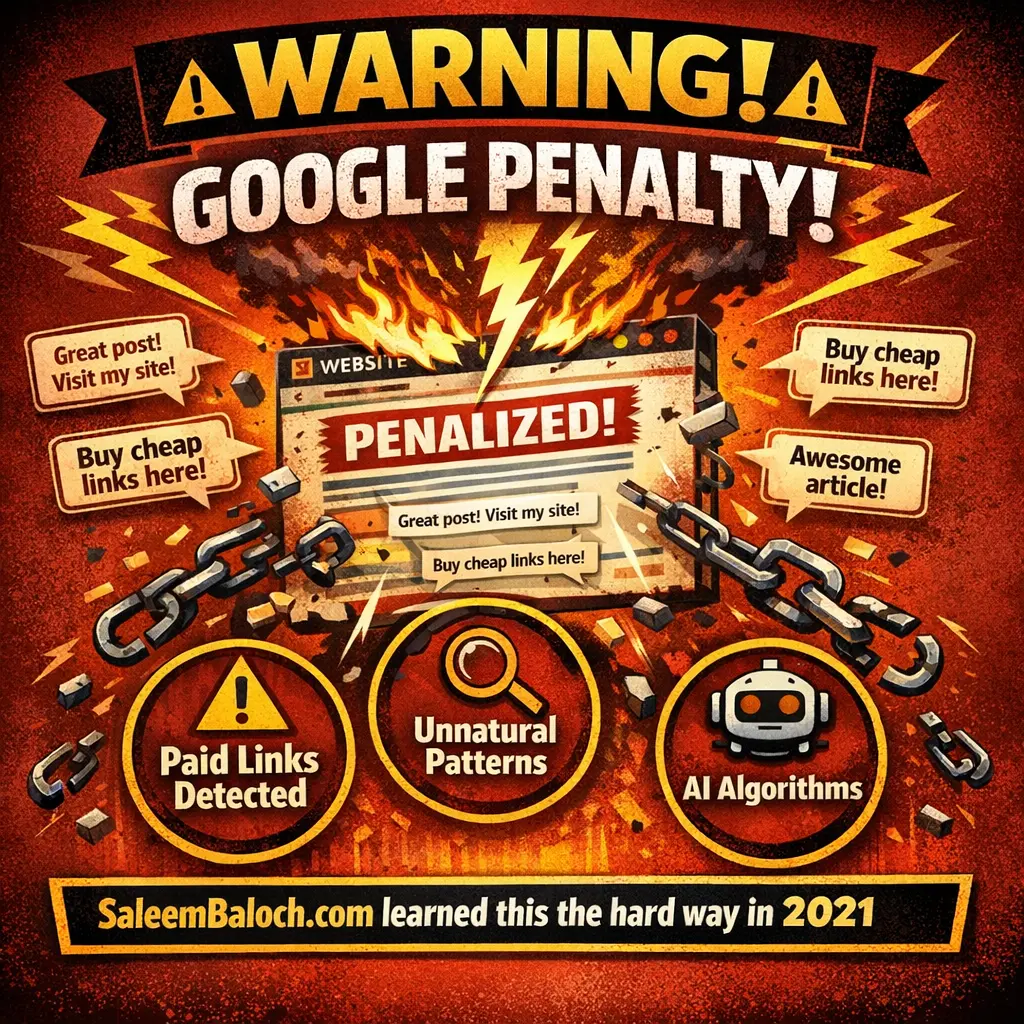
Here’s what most people don’t understand – backlinks alone were never really the ranking factor we thought they were. They were just a signal. And today? Search engines have gotten scary smart at reading between the lines.
When Google’s AI looks at your backlink profile now, it’s not just counting links. It’s asking questions like:
- Does this link pattern look natural?
- Would real humans actually link this way?
- Is this site buying links?
- Does this content deserve these links?
And here’s the painful truth I learned after getting a manual action warning – if you start buying links or building spammy backlinks on a fresh site, search engines detect it immediately. Like within days. The algorithm has evolved way beyond what most bloggers realize.
The Biggest Mistake New Bloggers Make in 2026
If you’re starting a new blog today, please don’t do what I see everyone doing.
They launch a site, write maybe 3-4 articles, and immediately start buying Fiverr backlinks packages or joining link schemes. I get it – we all want quick results. But this approach will literally kill your site before it even has a chance to live.
I learned this lesson when I helped a friend recover his blog after he bought 500 backlinks in one week from some “cheap SEO service.” His site was doing okay, then boom – completely de-indexed. Took us 6 months to get it back.
New sites need something much more important than backlinks first.
What Actually Works in 2026 (Based on Real Experience)
After years of testing, failing, recovering, and finally figuring out what works, here’s my honest step-by-step approach that’s helping me rank sites in 2026:
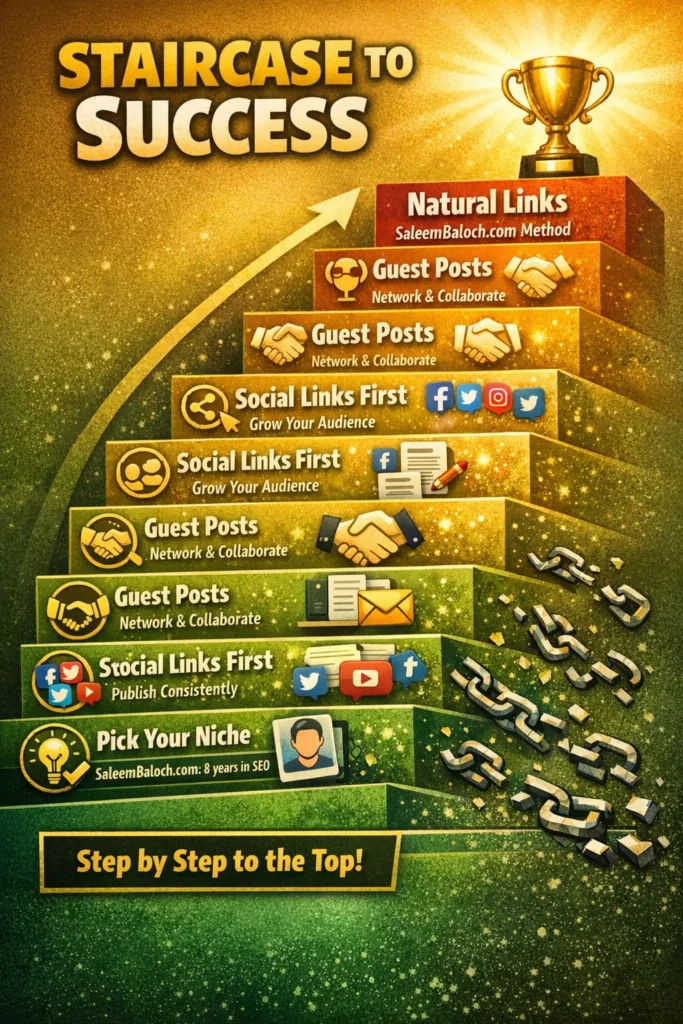
Step 1: Pick Your Niche Like Your Life Depends on It
Here’s something nobody tells beginners – you need to actually know what you’re talking about.
I see so many people picking niches just because they’re profitable. They write about “how to make money online” when they’ve never made a dollar online. They write about fitness when they’ve never stepped into a gym.
Search engines now prioritize something called EEAT – Experience, Expertise, Authoritativeness, Trustworthiness. And they’re actually good at detecting it.

Pick a niche where you have real experience. Something you’ve actually done, failed at, and learned from. That personal experience shows in your writing, and AI can’t fake it.
Step 2: Focus on Topic Authority, Not Just Keywords
Stop writing about random topics just because they have search volume.
I used to do this – write one article about gardening, next about cryptocurrency, next about cooking. It felt productive, but my site never grew. Why? Because Google had no idea what my site was actually about.
Now I focus completely on ONE niche. Every single article connects to the others. When you build topic authority, search engines start trusting you as a resource. And trust me, this matters way more than backlinks in the beginning.
Step 3: Show Them Who You Are
This might sound simple, but it’s so important – put your face, your name, your story on your blog.
Create an about page that actually tells people who you are and why you’re qualified to write about this topic. Include your real experiences, your failures, your successes. Use real photos.
Search engines look for this now. Sites with real author identities and proven expertise rank better. Sites with anonymous AI content disappear.
Step 4: Stop Writing What AI Can Write Better
Let’s be honest – if you’re writing “what is SEO” or “how to lose weight fast” type content, AI already does this better than you. And Google knows it.
I stopped writing general informational content completely. Instead, I focus on:
- Personal case studies
- Things I’ve actually tested
- Problems I personally solved
- Unique perspectives AI can’t generate
When I wrote about my own failed SEO experiments and what I learned, that article ranked faster than any generic tutorial I ever wrote.
Step 5: Content First, Links Later
Here’s my rule – don’t even think about backlinks until you have at least 15-20 solid articles.
Use those first 2-3 months just creating content, interlinking your posts, and building topic authority. Make sure every article actually helps someone. Check if users can navigate easily. See if people are actually finding what they need.
If someone visits your site and leaves immediately because the content is weak, backlinks won’t save you anyway.
Step 6: Start With Social Links (Not Spam)
After you have decent content, start with natural link building.
I begin with social profiles, brand mentions, and legitimate directory listings. Nothing spammy. Just making my site discoverable to real humans.
Step 7: Guest Posts the Right Way
About 2-3 months in, I start reaching out to real bloggers in my niche. Not for links – for connections.
I comment on their posts (real comments, not spam). I share their content. I build relationships. Then, when I pitch a guest post idea that genuinely helps their audience, they actually want to publish it.
This takes time, but the links you get this way? They last forever and actually pass value.
Step 8: One Niche Link Beats 100 Random Links
This is so important, I want to shout it – one backlink from a site in your exact niche is worth more than hundreds of random links from different niches.
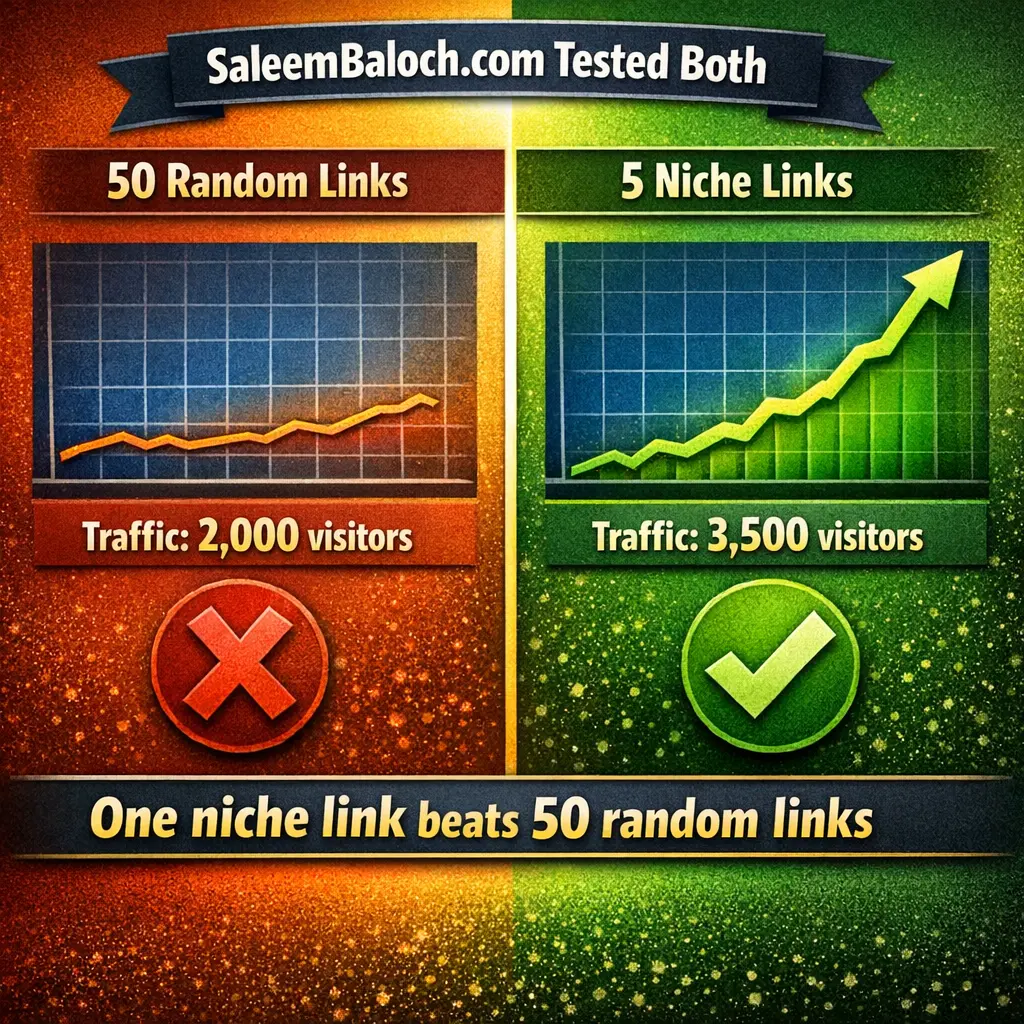
I tested this personally. Built 50 random links to one site and 5 niche-relevant links to another. The site with 5 niche links outranked the other in every keyword we tracked.
Quality over quantity isn’t just a saying in 2026 – it’s literally how algorithms work now.
Read Case Study: How I started Selling Blogs and Websites and Earn a Good Income
Step 9: Create Link-Worthy Content
Here’s the secret nobody talks about – the best backlinks are the ones you don’t build.
When you create something truly useful, people link naturally. I created a free calculator tool for one of my sites and got backlinks from universities, government sites, and major blogs without asking anyone.
Think about what you can create that others would want to reference. Original data, unique tools, personal case studies with real numbers.
What About E-commerce Stores?
If you’re running an e-commerce site, the game is slightly different, but the principles are the same.
Local SEO matters more than ever. Building your brand matters. But here’s a strategy that blew my mind when I discovered it:
Create genuine discount codes and promo offers. Then promote them through legitimate channels. When coupon sites pick up your real discount codes, you get natural backlinks without paying for them. Your brand gets exposure. Customers get deals. Everyone wins.
I’ve seen small stores grow significantly just by offering exclusive promo codes that coupon sites naturally want to share.
The Hard Truth About Results
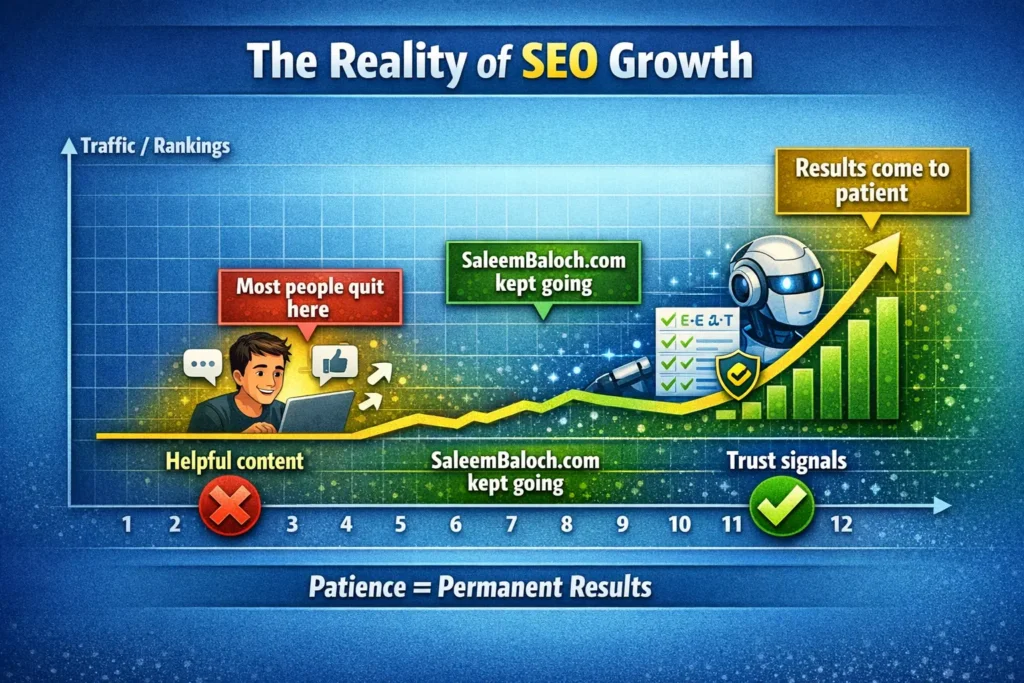
I wish I could tell you that following these steps guarantees results in 30 days. But I can’t. SEO doesn’t work like that anymore.
Your results depend on:
- How much effort you actually put in
- How well you execute these strategies
- Your niche competition
- Your unique experience and perspective
Some sites I’ve worked on showed results in 4 months. Some took over a year. Some never made it because the content just wasn’t good enough.
But here’s what I know for sure – shortcuts don’t work anymore. Buying links, using expired domains with AI content, joining link schemes – these might show quick results, but they always crash eventually.
I’ve seen too many bloggers lose everything trying to take shortcuts. Don’t be one of them.
What I’m Doing Now in 2026
Currently, I’m running my own blog where I document everything I’ve learned over 8 years. Started it part-time, now I’m full-time. And honestly, the strategies I shared here? They’re exactly what I’m using right now.
The landscape keeps changing. AI keeps evolving. Search algorithms keep updating. But one thing remains constant – real value created by real humans with real experience always wins eventually.
Need Help With Your SEO?
If you’re struggling with your SEO, local business growth, or even technical WordPress issues like plugins or themes, feel free to reach out. I’ve been doing this long enough to help with most problems. Whether it’s fixing a manual penalty, improving your local presence, or just figuring out where to start – I’m happy to help where I can.
What Did You Learn?
I’d genuinely love to know what you took away from this post. Did any of these experiences match yours? Are you struggling with something specific? Drop a comment and let me know. Your feedback helps me create better content, and honestly, I just enjoy connecting with people who are on the same journey.
Remember – SEO in 2026 is about patience, real experience, and building something that actually helps people. The links will come when you deserve them.
Leave a Reply